Celebrating Shavuot: Traditions, Meaning and Community
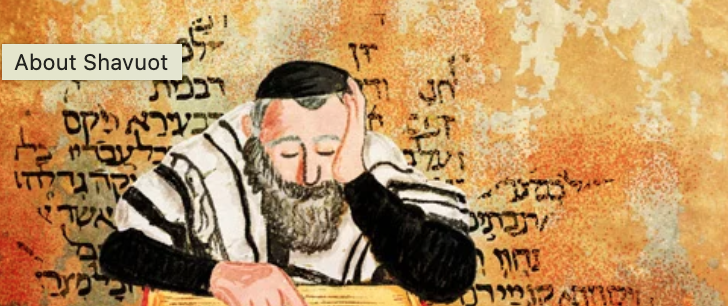
Shavuot this year begins at sunset on Thursday 21st May and ends at sunset on Saturday 23rd May. This two-day Jewish holiday (celebrated as one day in Israel) commemorates the giving of the Torah at Mount Sinai and falls on the 6th of Sivan 5786.
Shavuot marks the completion of the 49-day Counting of the Omer and celebrates one of the most significant moments in Jewish history—the giving of the Torah. It is both a deeply spiritual occasion and a joyful time of reflection, learning and togetherness.
Traditions and Customs
Shavuot is observed through a number of meaningful customs that bring communities together and connect people to their faith and heritage:
All-night learning (Tikkun Leil Shavuot)
On the first night, it is traditional to stay up studying Torah. This practice reflects a desire to actively show love and commitment to the Torah, while also correcting the historical account that the Israelites overslept on the morning they were due to receive it. The night-long study prepares participants to symbolically receive the Torah anew the following day.
Dairy foods
Many people enjoy dairy dishes such as cheesecake and blintzes during Shavuot. While not a biblical commandment, this custom symbolises the purity of the Torah, often compared to milk. It also recalls the moment when the Israelites, having just received the laws of kashrut, were not able to cook meat according to the new dietary rules.
Synagogue services
A central part of Shavuot is hearing the Ten Commandments read in synagogue on the first day. This serves as a powerful annual re-enactment of the moment at Mount Sinai, when the Jewish people accepted the Torah.
Decorating with greenery
Homes and synagogues are often decorated with flowers, plants and greenery. This tradition commemorates the belief that Mount Sinai blossomed with life at the time the Torah was given, despite being in the desert. It also reflects the agricultural roots of Shavuot as a harvest festival, historically linked to the offering of first fruits (bikkurim).
As we mark this special festival, we recognise the importance of tradition, community and shared learning.
Wishing all our tenants, staff and colleagues a very happy Shavuot! 🌸