Passover to Yom Ha’atzmaut: A Journey Through Jewish Life
In April 2026, there are a number of major Jewish festivals and commemoration days. 
These observances reflect themes of freedom, memory, sacrifice, and identity, connecting Jewish communities around the world through shared history and tradition.
The month begins with Passover (Pesach), one of the most widely celebrated Jewish festivals. In 2026, Passover starts on the evening of 1st April with the ritual Seder meal and continues until 9th April. This festival commemorates the Exodus from Egypt, when the Israelites were freed from slavery. At the heart of Passover is the Seder, a structured and symbolic meal during which families retell the story of liberation using the Haggadah (book). Traditional foods such as matzah (unleavened bread), bitter herbs, charoset, and a shank bone are placed on the Seder plate, each representing aspects of the Exodus story. Throughout the festival, observant Jews abstain from chametz—leavened products made from wheat, barley, rye, oats, or spelt—reinforcing themes of humility and remembrance.
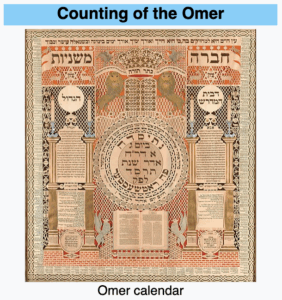
Another key element of Passover is the Counting of the Omer, which begins on the second night of the festival (2nd April). This 49-day spiritual countdown leads up to Shavuot and symbolizes the journey from physical liberation to spiritual growth, with daily blessings and reflection.
Midway through the month comes Yom HaShoah (Holocaust Remembrance Day), observed from 13th to 14th April. This solemn day honours the memory of the six million Jews murdered during the Holocaust and commemorates the anniversary of the 1943 Warsaw Ghetto Uprising. Across the world, Jewish communities hold memorial ceremonies, light candles, and observe moments of silence to reflect on the atrocities and ensure that this history is never forgotten.
Shortly after is Yom HaZikaron (Israel Memorial Day), observed from 20th to 21st April. This day is dedicated to remembering Israeli soldiers who lost their lives in service, as well as victims of terrorism. In Israel, the observance is marked by powerful nationwide moments of silence triggered by sirens sounding at 8pm and again at 11am the following morning. Public life pauses as people stand in reflection. Ceremonies are held across the country, and many wear white shirts as a symbol of respect and unity. The day emphasizes the profound cost of national security and independence.
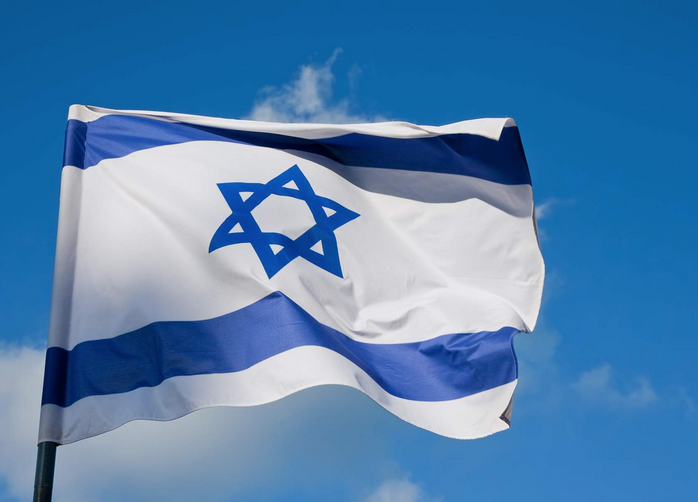
Immediately following Yom HaZikaron is Yom Ha’atzmaut (Israel Independence Day), celebrated from 21st to 22nd April. This vibrant national holiday marks the anniversary of Israel’s declaration of independence in 1948. In contrast to the solemn tone of the preceding day, Yom Ha’atzmaut is filled with joy and celebration. In Israel, people gather for barbecues, picnics, concerts, and fireworks displays, while Jewish communities worldwide host events, parties, and educational programs. The juxtaposition of these two days underscores the connection between sacrifice and statehood, honouring those who made independence possible while celebrating the achievements of the nation.
Together, these observances make April 2026 a powerful period of remembrance and celebration in Jewish life—one that moves from the ancient story of liberation to modern reflections on resilience, identity, and nationhood.