
Tu Bishvat: Celebrating the New Year for Trees 🌳
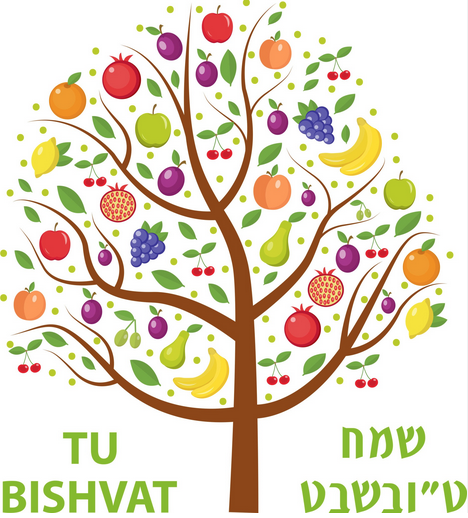
This month, the festival of Tu Bishvat, also known as the New Year for Trees, will take place from the evening of Sunday 1st February to the evening of Monday 2nd February. It is a joyful occasion dedicated to planting trees, appreciating nature, and reflecting on growth and renewal.
Tu Bishvat is observed on the 15th day of Shevat in the Hebrew calendar. This time of year, traditionally marks the end of winter and the gentle arrival of spring—a season filled with new life and possibility.
The Significance of Trees in Judaism
Trees hold deep meaning in Judaism and are often seen as symbols of life, growth, and continuity. On Tu Bishvat, Jewish people c 
elebrate this connection by planting trees and coming together through dancing, singing, and games.
Trees give so much to the world: fruits for nourishment, shade for rest, and homes for animals—just to name a few. Tu Bishvat is often thought of as the birthday of the trees, a time to express gratitude for all they provide.
Tu Bishvat Traditions and Customs
Tu Bishvat is celebrated in many meaningful and joyful ways, including:
- Planting Trees:
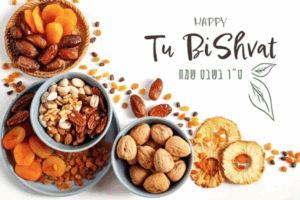
In Israel, many people plant trees on this day. Those living outside of Israel often donate to the Jewish National Fund (JNF) to have a tree planted on their behalf in the land of Israel. - Eating the Seven Species:
A popular custom is eating the seven species (Shivat HaMinim), which are especially associated with the land of Israel:- Dates
- Pomegranates
- Wheat
- Barley
- Figs
- Olives
- Grapes
- The Tu Bishvat Seder:
A Tu Bishvat Seder, or ritual meal, is a central part of the celebration. Friends and family gather to eat a variety of fruits and nuts—often 15 different kinds—and drink four different cups of wine, each representing a stage in nature’s cycle:- White wine: Symbolises the cold, stillness of winter
- White wine with a little red: Represents the transition from winter to spring
- Red wine with a little white: Reflects the warming earth and the return of colour and life
- Red wine: Symbolises full growth, fulfilment, and the harvest
Tu Bishvat reminds us to care for the natural world and to appreciate the beauty of growth—both in nature and in ourselves.
How will you be celebrating Tu Bishvat this year? 🌱